India’s $68 Billion Dilemma – Navigating Trade With Russia Amid U.S. Pressures

India’s $68 Billion Dilemma – Navigating Trade With Russia Amid U.S. Pressures
In the dynamic arena of global diplomacy and trade, India finds itself in a tight balancing act. On one side is Russia—an old and dependable strategic partner. On the other is the United States—India's largest and most influential trade ally in recent years. With the ongoing geopolitical tensions and the possibility of renewed sanctions or tariffs under a potential Trump presidency, India’s $68 billion trade relationship with Russia could become a hotbed of diplomatic friction.
RU India-Russia Trade: What’s at Stake?
India and Russia share a robust trade relationship involving defense equipment, crude oil, fertilizers, and diamonds. Notably:
Crude Oil: India imports discounted Russian oil, a move that supports energy security and helps reduce the current account deficit.
Defence: Around 60-70% of India’s defense systems are of Russian origin, including S-400 missile systems, tanks, and fighter jets.
Other Commodities: Trade also includes coal, metals, fertilizers, and diamonds.
The total trade value between the two nations has exceeded $68 billion, majorly skewed in Russia's favor due to the massive oil imports.
US The U.S. Pressure: Trump’s Potential Tariffs
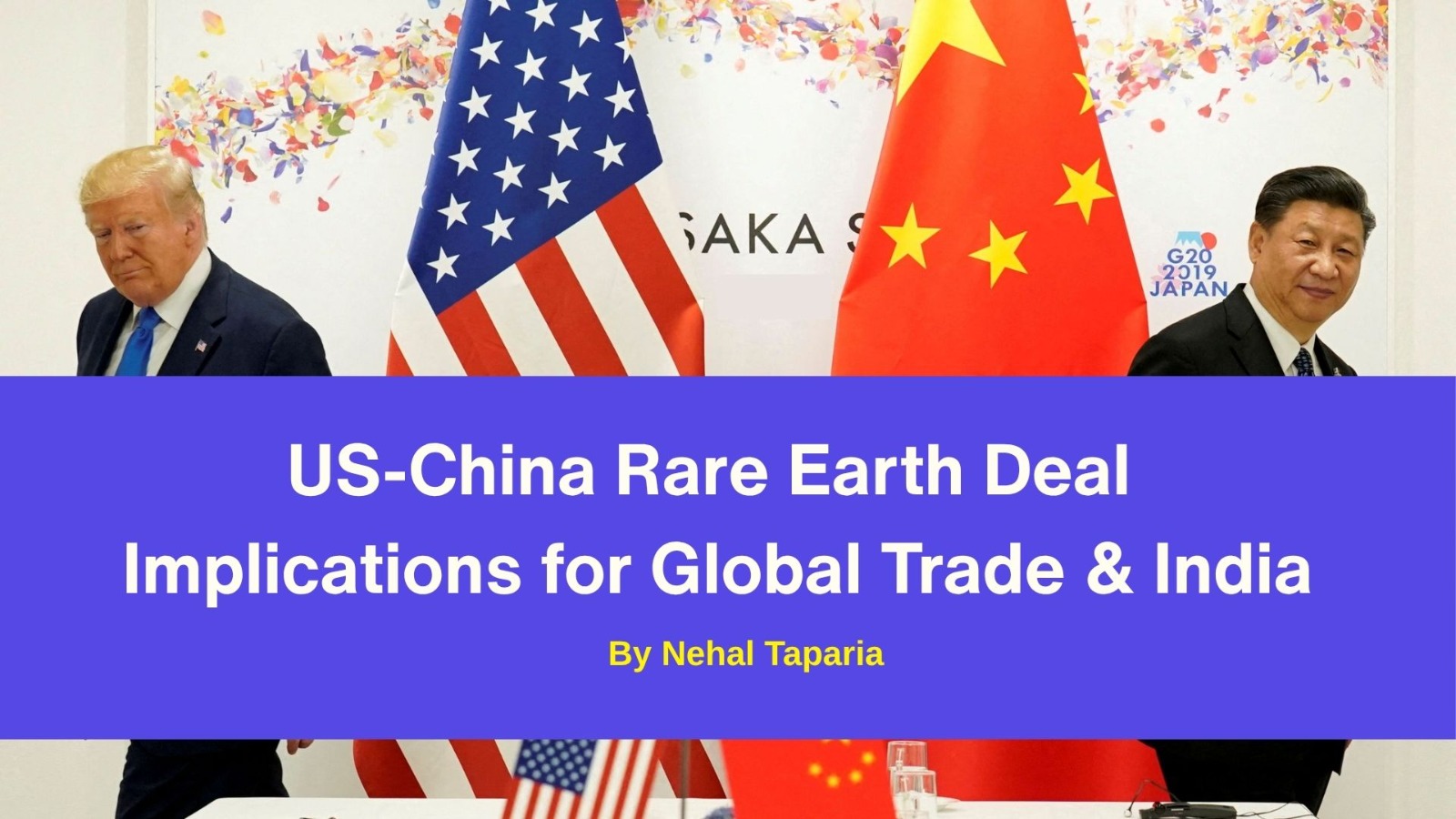
Donald Trump has hinted at imposing 25% tariffs on Indian goods if re-elected, citing trade imbalances and strategic choices that don't align with American interests—particularly India's deepening ties with Russia. The concern is:
The U.S. may see India’s purchase of Russian oil and arms as an indirect support to Russia amid the Ukraine war.
This could result in secondary sanctions or higher tariffs on Indian exports, especially in pharmaceuticals, textiles, and IT services.
India’s Strategic Tightrope
India must tread carefully:
Diversifying Energy Sources: While discounted Russian oil helps India's fiscal health, overdependence could lead to diplomatic consequences with the West.
Defense Modernization: India is slowly diversifying its arms imports by increasing deals with France, the U.S., and Israel.
Local Currency Trade: The rupee-ruble trade is being explored to avoid U.S. dollar dependence, but it poses challenges in convertibility and liquidity.
How It May Impact Indian Markets
Short-Term Volatility in Energy Stocks
If Russian crude supplies are disrupted due to geopolitical backlash, oil marketing companies (OMCs) like BPCL, HPCL, and IOCL may face margin pressures.
Export-Oriented Sectors Under Pressure
U.S. tariffs on Indian goods could hit sectors like:
Pharmaceuticals
Textiles & Garments
IT services
Stocks of companies in these sectors may see downside risk if Trump’s tariff plans materialize.
INR Volatility
Global uncertainty around India’s strategic decisions may increase pressure on the rupee, especially if capital outflows intensify due to foreign policy shifts.
FIIs’ Sentiment
Heightened geopolitical risks could dampen Foreign Institutional Investors' (FII) sentiment, leading to potential equity sell-offs.
Defense Sector Opportunities
If India boosts domestic defense production (as part of the "Make in India" initiative), stocks in the defense manufacturing sector could see a long-term rally.
Conclusion
India’s diplomacy will be key in navigating this geopolitical puzzle. New Delhi must balance its energy and defense interests with Moscow while ensuring continued trade access and goodwill with Washington. The Indian markets may experience periods of volatility as the situation evolves, but long-term strategies focusing on self-reliance, diversification, and multilateral engagement can help India withstand global pressures.
By Nehal Taparia
This content is for educational and knowledge purposes only and should not be considered as investment or Trading advice. Please consult a certified financial advisor before making any investment or Trading decisions.
Latest Course





Latest posts


Our Recent FAQS
Frequently Asked Question &
Answers Here
Q1: Why is India trading heavily with Russia despite U.S. pressure?
India needs affordable energy and military supplies, which Russia provides at competitive rates, helping manage inflation and security.
Q2: What could be the U.S. reaction if India continues dealing with Russia?
Q3: Will Trump’s 25% tariff proposal on India be implemented?
Q4: Can India shift completely away from Russian defense supplies?
Q5: How will this impact Indian investors?
Copyright © By The Stock Learning. Design & Developed by Techno Duniya